
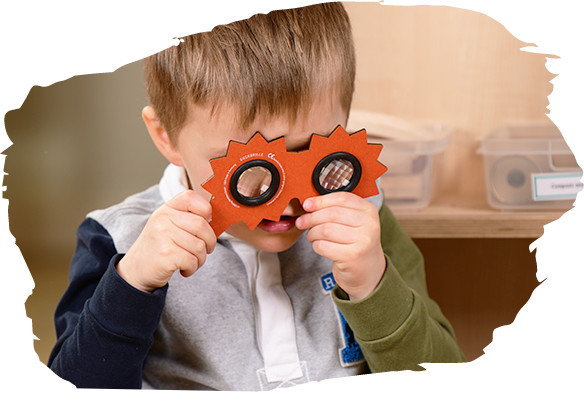
An online conference that explored new ideas and connected with experts who put every child’s mind first
Unlock the wonders of young brains!
From birth to age five, children’s brains grow faster than at any other time in life. By connecting neuroscience with real-world practice, we can nurture curiosity, resilience, and a lifelong love of learning from the very start.
We were joined by leading experts for an inspiring online conference that explored early years neuroscience, the power of play, and practical strategies to support every child’s growth, curiosity, and learning journey.
Hear from Prof. Sam Wass, Ben Kingston-Hughes, and Helen Mohatta – leading voices in early years brain development, play, and SEND.
Missed the session? Don’t worry—you can still access all the insights, expert guidance, and practical tools shared during the conference.
Price
£150.00 (exc. VAT) per person
What You Will Gain
- Deepen your expertise with the latest insights from neuroscience on how young brains grow and learn
- Strengthen your practice by translating complex research into everyday strategies that work in real classrooms and settings
- Recognise the power of play and its vital role in healthy brain development
- Gain inspiration from leading voices: Professor Sam Wass, Ben Kingston-Hughes, and Helen Mohatta, who bring a wealth of knowledge and practical experience
- Reflect on inclusion and wellbeing, considering how provision can truly support every child, whatever their needs
- Leave with renewed confidence to shape environments that nurture curiosity, resilience, and lifelong learning from the very start
Bridging the gap between cutting-edge neuroscience and everyday educational practice can be challenging. That’s why this unique online conference was specially designed – to help you translate the latest research into practical strategies and reflect on the vital role of play in early development.
Now you can access the full recording and revisit the inspiring journey into the fascinating world of early years neuroscience, guided by expert speakers who shared how we can truly keep every child in mind when shaping provision and practice.
Workshops & Key Sessions
Prof. Sam Wass
What we’re learning about how young children’s brains develop
In this session, recent findings from neuroscience were covered to explain how young brains develop and why children process environments differently from adults. The discussion explored why young brains learn best in environments that are slow-paced, consistent, predictable, and pared-down, and how early years practice can be adapted accordingly. Together, both the physical environment — how spaces are designed and decorated — and the human environment — how adults interact with children — were considered.
Ben Kingston-Hughes
Playful Brains – The Neuroscience of Play
In this transformative session, we explored what happens in children’s brains when they play and showed how understanding how the brain works enables us to support children in experiencing the most powerful play opportunities. The vital role of play in developing and growing children’s brains was highlighted, emphasising its profound importance for brain growth, wellbeing, and even life expectancy. The session was entertaining, thought-provoking, and designed to help us build the brains of the future.
Helen Mohatta
Connection, curiosity and cognition
Through this session, we explored how cognitive development in young children builds progressively through attention, thinking, problem-solving, remembering, and making connections. In the early years, this includes learning what happens when a child repeats an action, pushes a button, or makes a sound. Practical ways to inspire joint attention through connection, play, and interaction were considered, alongside approaches to encourage spontaneous communication, create engaging environments, and embed social communication opportunities within early years practice and provision.
Conference Agenda
| Start & Welcome |
| Prof. Sam Wass |
| Reflections |
| Ben Kingston-Hughes |
| Helen Mohatta |
| Closing Remarks |
Workshop Hosts
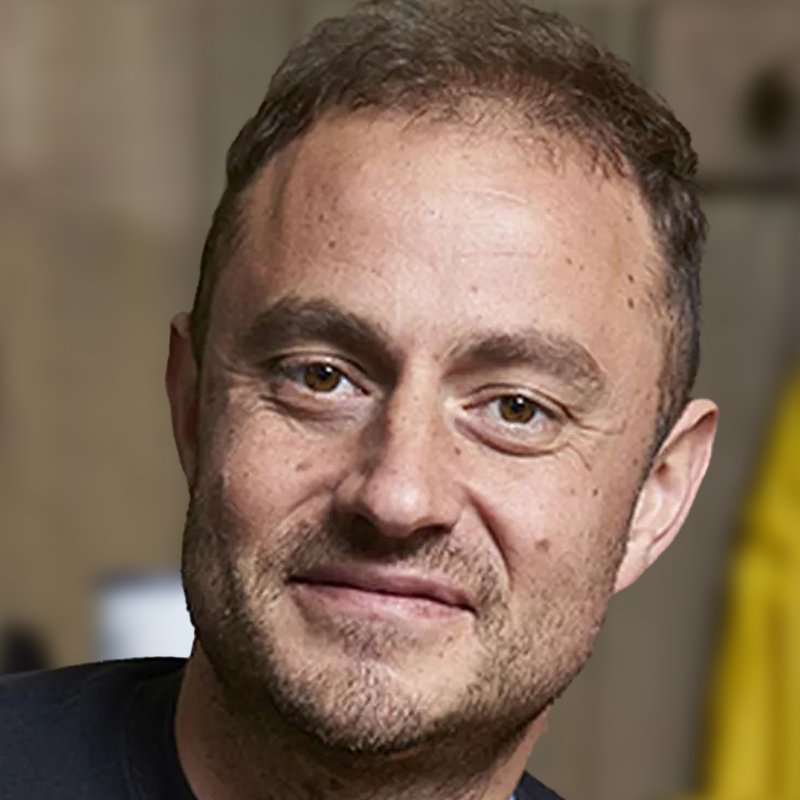
Prof. Sam Wass
Child Psychologist & Neuroscientist
Prof. Sam Wass is a developmental psychologist and neuroscientist currently leading the BabyDevLab at the University of East London. Trained at Oxford, Cambridge, and London, he has held prestigious fellowships from the British Academy, ESRC, and European Research Council. His research explores early brain development and children’s attention, and he is the author of Take Action on Distraction, winner of the Nursery World Awards Professional Book of the Year 2025.
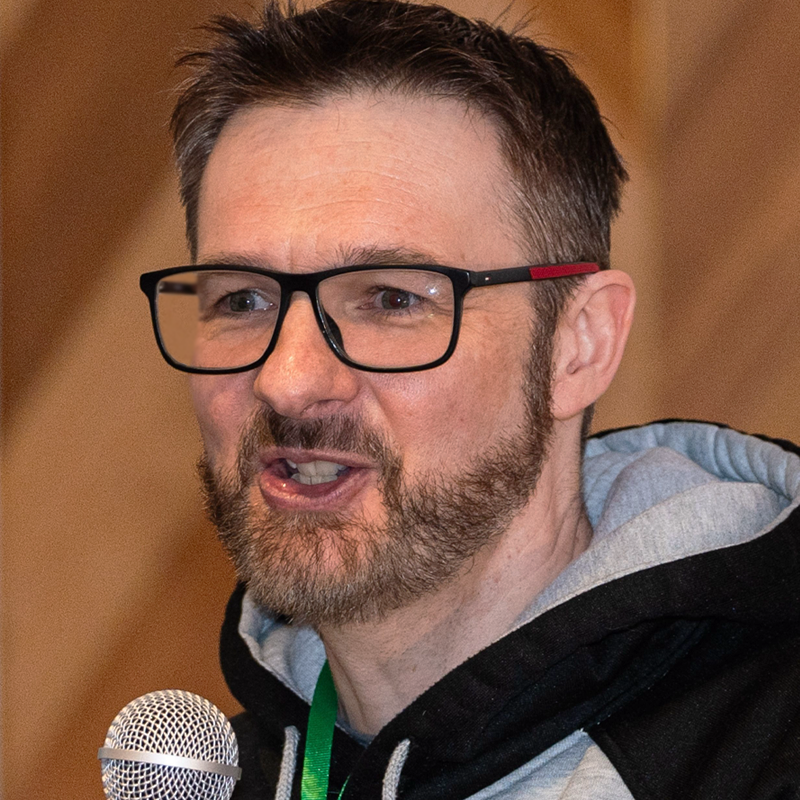
Ben Kingston-Hughes
Managing Director
Inspired Children
Ben Kingston-Hughes is an award-winning trainer, author, and international speaker with over 35 years’ experience working with vulnerable children. As Managing Director of Inspired Children, he delivers engaging, research-informed training blending humour, neuroscience, and practical insight. His acclaimed books include A Very Unusual Journey into Play and Why Children Need Joy, praised for their accessible approach to supporting children’s development.
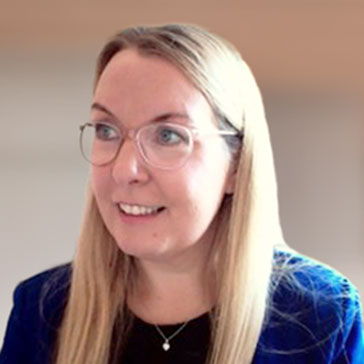
Helen Mohatta
Associate SEND Consultant
Early Excellence
Helen is an experienced Early Years SEND consultant, trainer, and coach with over 20 years in education. Formerly a teacher and School Effectiveness Officer, she delivers practical, research-informed support to schools through CPD, coaching, and consultancy. She specialises in adaptive teaching, curriculum design, assessment, and creating inclusive, empowering environments that help children with SEND flourish.