
What Are Gross Motor Skills?
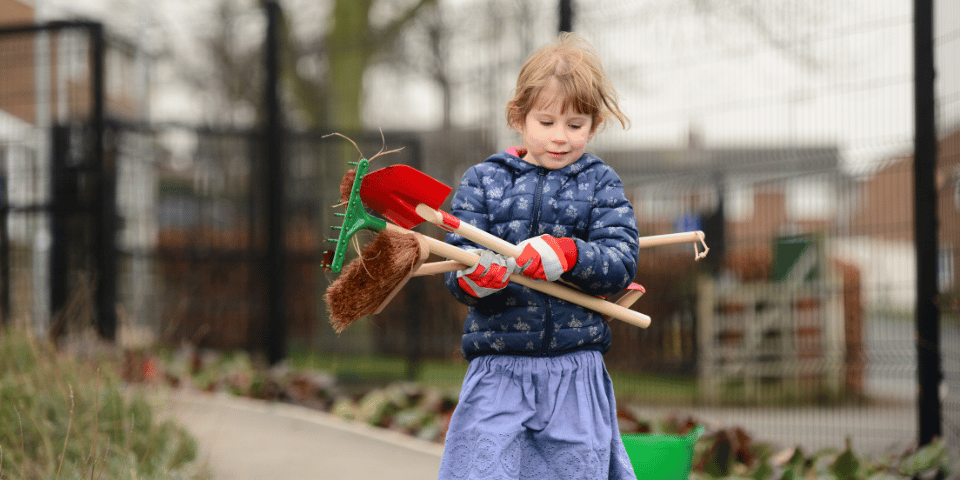
Young children constantly show us their pleasure and need for movement. They have strong natural drives to explore movement, to develop their physical abilities and to express themselves with movement.
“Young children learn about themselves and their environment through movement.” Margaret Donaldson ‘Children’s Minds’
Young children’s brains are developing at an amazing rate to acquire the vast array of physical skills needed for life. Many of the movements that young children naturally and playfully engage in have important developmental roles, particularly in growth and integration of the sensory systems involved with vision, balance, body awareness and co-ordination.
Gross Motor Skills are a vital part of children’s overall development and their development of movement. They are generally considered whole body movements such as running, jumping and rolling, as opposed to fine motor movement skills such as pinching, mark making and threading.
There are generally considered to be three significant groups of gross motor movements:
- Cross-lateral Coordination (Bilateral integration)
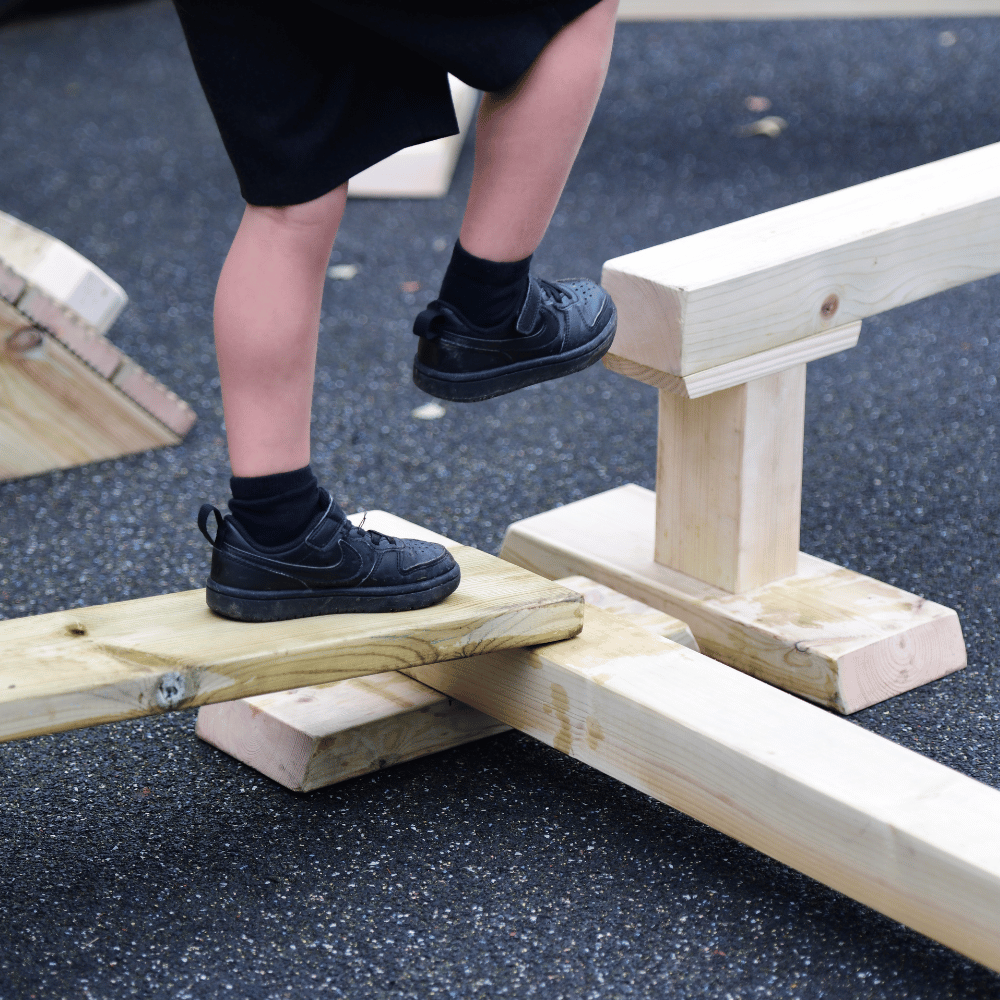
- Balance and Coordination (Vestibular Development)
- Sensory Awareness (Proprioception)
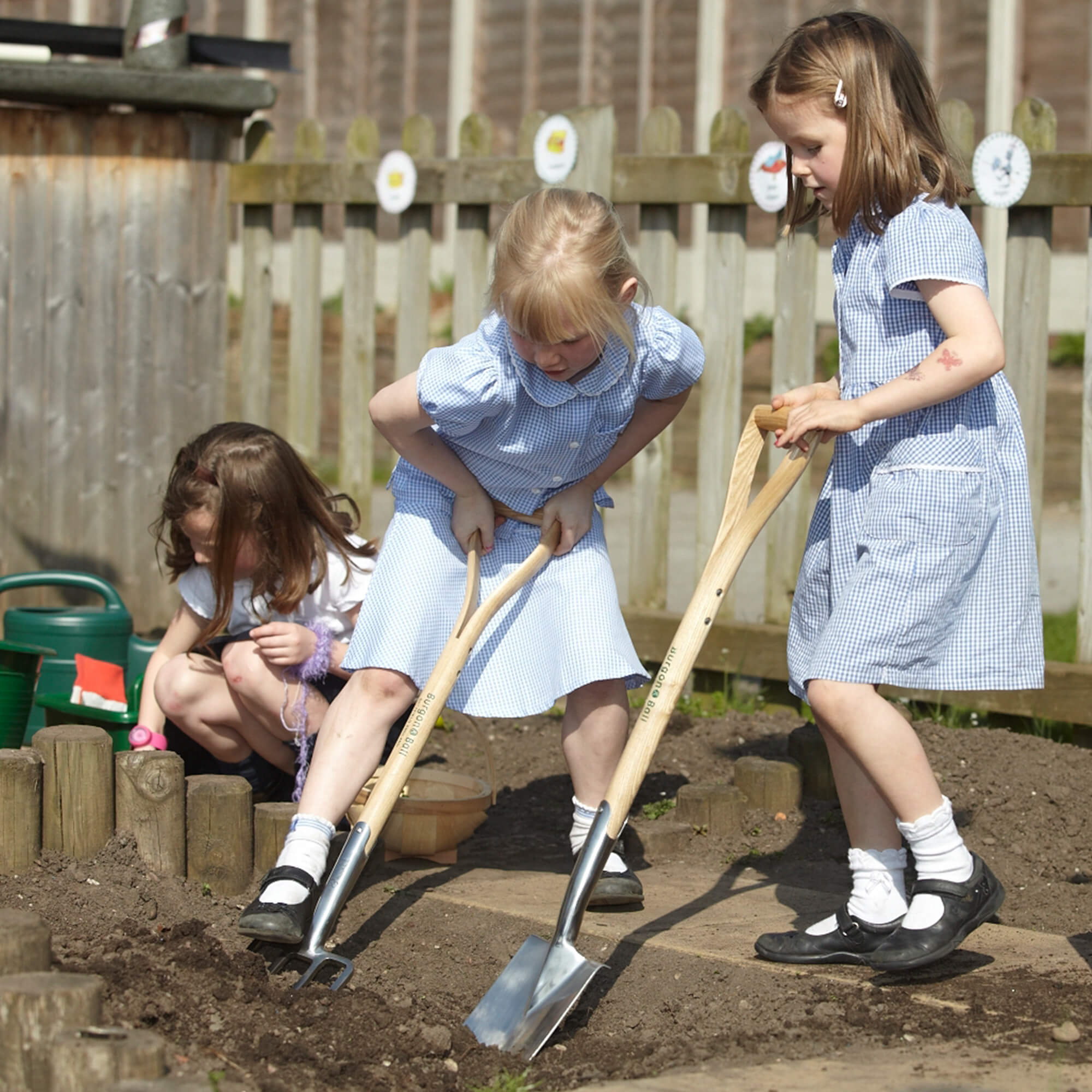
These gross motor movements young children naturally engage in have important developmental roles and involve a range of observable movements in which children engage. To support children’s cross-lateral co-ordination they can be encouraged to crawl, clamber, climb and pedal. To support the development of balance and coordination (Vestibular Development) children need to spin, twist, tilt, slide and fall. And finally, to support sensory awareness (Proprioception and Interoception) children need to push, pull, hang and stretch.
Outdoor spaces in early years settings can be developed to provide environments that are rich in potential for supporting these fundamental actions.
In contrast, fine motor skills involve the coordination of small muscles, particularly in the hands and fingers. These skills are also a vital part of early child development and prepare children for tasks requiring precision. Both fine motor skills and gross motor skills play vital roles in children’s overall development.
Why Gross Motor Skills Matter
“Physical development is more fundamental to children’s wellbeing and development than previously established. These findings are relevant to families, ECEC settings and primary schools, all of which have a key role in enhancing children’s physical development.” IELS thematic report: Young children’s physical development in England June 2021 (International Early Learning and Child Well-being Study)
Let’s have a closer look at the three key movements for young children and how they impact on children’s development.
Cross-lateral Coordination (or Bilateral integration)
The ability to coordinate the two sides of your body, while doing different things with each side, is known as ‘bilateral integration’. It allows us to perform activities such as tying knots or kicking a football.
To be able to write, children need to be able to coordinate both sides of their bodies together. Children also need to learn how to ‘cross the midline’, to be able to control their movements across the centre point of the body. It is this that will let them write without changing the pen over to their other hand midway through a line.
Balance and Coordination
The vestibular system integrates information from all the senses – particularly vision and hearing – and coordinates these inputs to maintain balance.
A weak vestibular system can cause children to be clumsy, badly coordinated and affect early language production, and later writing and reading. It is important to recognise that it can take up to 7 years for children’s vestibular system to fully mature.
The Importance of Balance:
The task of balance is to facilitate orientation and postural behaviour – the ability of the body to function within the force of gravity. Sally Goddard-Blythe, author and consultant in the neuro-developmental education, explains it is ‘to know your place in space.’
Sensory Awareness (Proprioception)
Sensory awareness is the body’s “sense of self,” allowing you to know where your body parts are in relation to each other and the space around you. This sense (like vision or taste) enables us to move without needing visual input. Children develop ‘body maps’ so we know where our body is in space and how it is moving. This helps us to navigate new and unfamiliar movements (leading to good control, body co-ordination and the safe negotiation of space) and tells us how much we need to move and how much effort to exert.
As Sally Goddard-Blythe explains this sensory awareness operates as our ‘internal eyes’. Over time, it enables us to tuck in our shirts behind our backs, tie our own ponytails, and even drink or blow our noses in the dark.
The Benefits of Gross Motor Development
In high-quality early years provision, it is understood that all of children’s areas of development connect. There are links between physical development, self-regulation and cognition. In Key Stage 1, continued opportunities for rich gross motor movement support children’s readiness for learning, self-regulation and sustained attention as curriculum demands increase.
Physical Health Benefits
The more proficient children are in gross motor skills, the higher their self-esteem, the healthier their weight status, and the greater their levels of physical activity and cardiorespiratory fitness. Better physical development is also strongly associated with developments in cognition and self-regulation.
Developing gross motor skills significantly benefits a child’s physical health. These skills enhance muscle strength, improve balance, and increase flexibility. Children with strong gross motor skills are more likely to lead active lifestyles.
Key health benefits include:
- Improved posture
- Enhanced cardiovascular health
- Better weight management
Engaging in physical activities that promote gross motor skills can prevent health issues. It leads to better endurance and promotes physical fitness. Regular practice of these skills supports a healthy growth trajectory.
Cognitive Development
“Movement is ‘thought in action’, children have first to experience the world actively through all their senses before they can think in the abstract and hold thoughts on the memory of those things in their heads as pictures, concepts or symbols.” Margaret Donaldson ‘Children’s Minds’
Increased research is revealing important links between movement, action and cognition. Young children need to move to learn, so opportunities to move should form an important part of the early years learning environment, providing freedom to be active and to work on a larger scale.
There is growing evidence that both gross and fine motor development are significantly associated with outcomes in
- Emergent numeracy
- Emergent literacy
- Mental flexibility
The ‘biological drive’ for children to use their bodies and their developing physical skills is fundamental not just to the growth of muscles and joints but also to brain development. Because of the link between physical development and the architecture of the brain we refer to this specifically as ‘neurophysiological development’.
Social Skills Development
Movement and physical play also have a very important role to play in emotional and social health. Vigorous activity releases brain chemicals that make us feel happy and well. Engaging in physical play with others helps to build relationships with adults and between children. Being able to move well builds self-image and self-confidence.

Development of Gross Motor Skills
Physical patterns of development and rates of growth are similar for babies and young children, when conditions are optimised. It is worth reiterating that successful development doesn’t just ‘happen by itself’. Creating the right conditions requires a clear understanding of physical development as a distinct curriculum area, how it is applied in practice, and the decisions teachers make to prioritise its support and teaching in both adult-led and child-led sessions.
Children learn to control their bodies from the centre outwards, and from the top downwards. In other words, babies build up their neck muscles so they can hold up their heads, then the trunk muscles so they can sit, and finally the whole-body control and balance required for walking.
Here are some key milestones and features to be aware of for young children’s physical development and gross motor skills.
The First Year Gross Motor Skills Milestones
- By 3-4 months babies begin to develop head control and can lift their chests when placed on their stomachs
- By 4-5 months babies can roll from side to back and/or from back to side
- By 6-7 months babies can roll completely over (front to back and/or back to front)
- By 7 months babies can pull themselves up to stand but have trouble sitting down again
- By 7-8 months babies can sit up steadily with support
- By 8-10 months babies can creep on their stomachs or begin to crawl on their hands and knees
- By 9-11 months babies can walk when led by the hands or “cruise” holding onto furniture
- By 12-15 months babies can stand without holding on to anything and begin walking
The Second Year Gross Motor Skills Milestones
During the second year, growth slows but children generally improve upon skills they have already developed, such as walking.
Other things to watch for during the second year include:
- Walking up and down steps, with assistance
- Running
- Climbing
- Jumping
- Holding a pencil or crayon and making marks on paper
- Throwing things, such as a ball or their toys
The Third Year Gross Motor Skills Milestones
Growth continues at a slower pace now, but skills continue to be refined in the third year of life for children. By age 3, most children can:
- Balance on one foot for a short period of time
- Jump with skill and dexterity
- Alternate feet while climbing up or down the stairs
- Ride a tricycle with some assistance
- Put on and take off a shirt, trousers and shoes
The Fourth Year Gross Motor Skills Milestones
During the fourth year of life, children become more adept at the skills they have learned over the last three years. They are able to jump with dexterity, hop, skip and run with the best of them and can climb steps without assistance. Many 4-year-olds can ride a tricycle with skill and some may even be able to ride a bike with training wheels. Hand-eye coordination is continuing to improve as children learn to catch and throw with more skill.
Ways to Enhance Gross Motor Skills
Young children need adults who:
- Understand the role of movement and action in the lives of young children
- Value and enjoy young children’s pleasure in movement, action and mastering physical skills
- Know what developmental challenges young children need
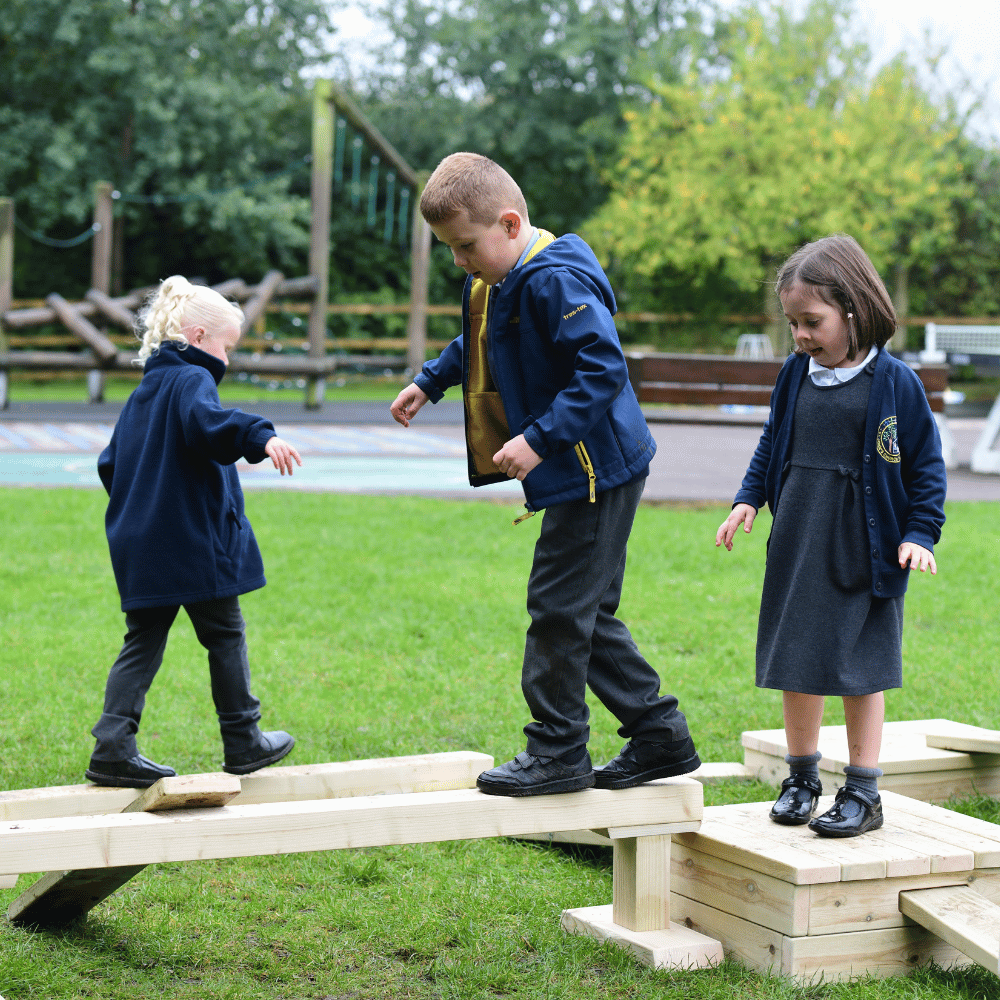
- Create a movement-rich environment, full of suitable stimuli and challenges
- Build movement and physical activity into all outdoor learning
- Provide encouragement and just enough support so that children can push their own boundaries at their own pace
What Does a Movement-Rich Environment Provide?
Children can be encouraged and supported to develop gross motor skills by creating an enabling outdoor environment. By engaging with the opportunities afforded by the provision below children will be able to develop all the skills necessary to thrive, whether that be balance, coordination or bodily awareness.
Here are some suggestions of the type of experiences we need to offer children to best support their gross motor skills:
- Space to run without obstruction
- A variety of surfaces: soft, hard, loose, uneven or bumpy
- Different levels: high up and low down
- Interconnecting pathways with variety of interest and challenge built into them
- Vertical surfaces to aim at and bounce things off
- Comfort and places to retreat from activity and to rest
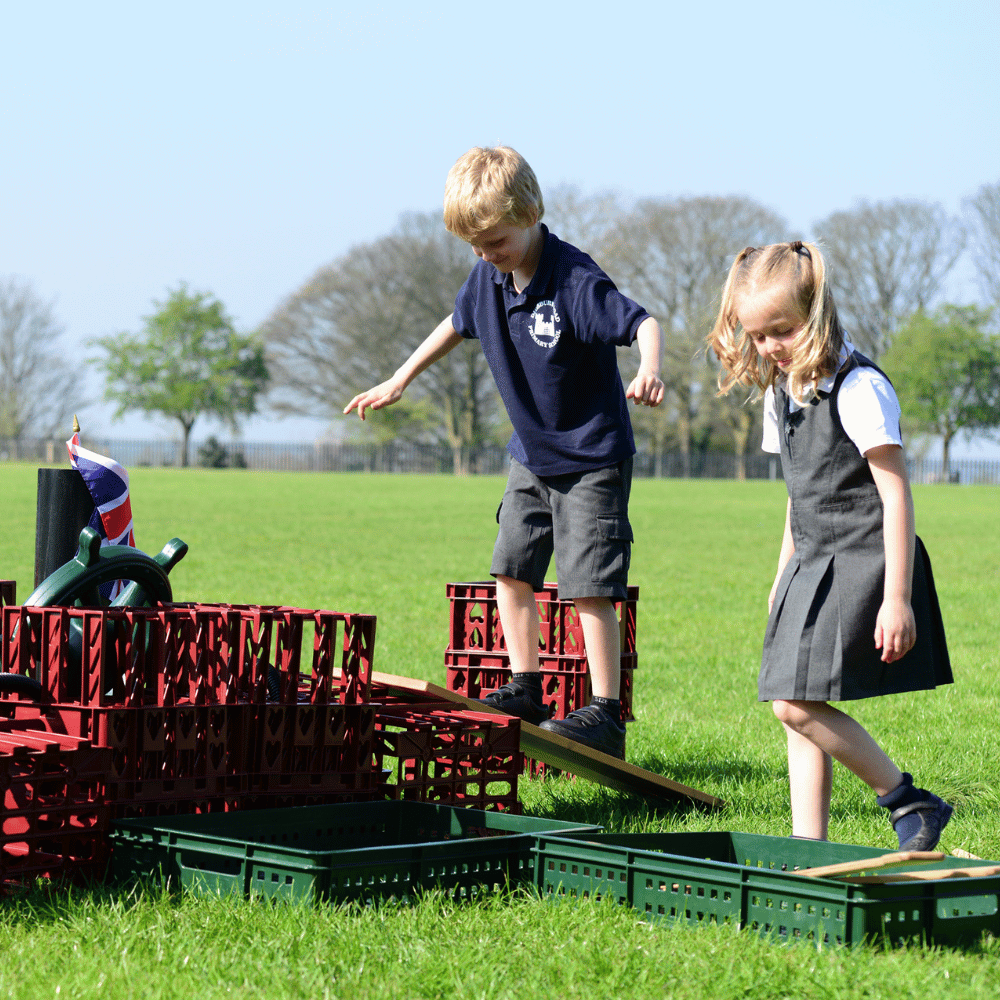
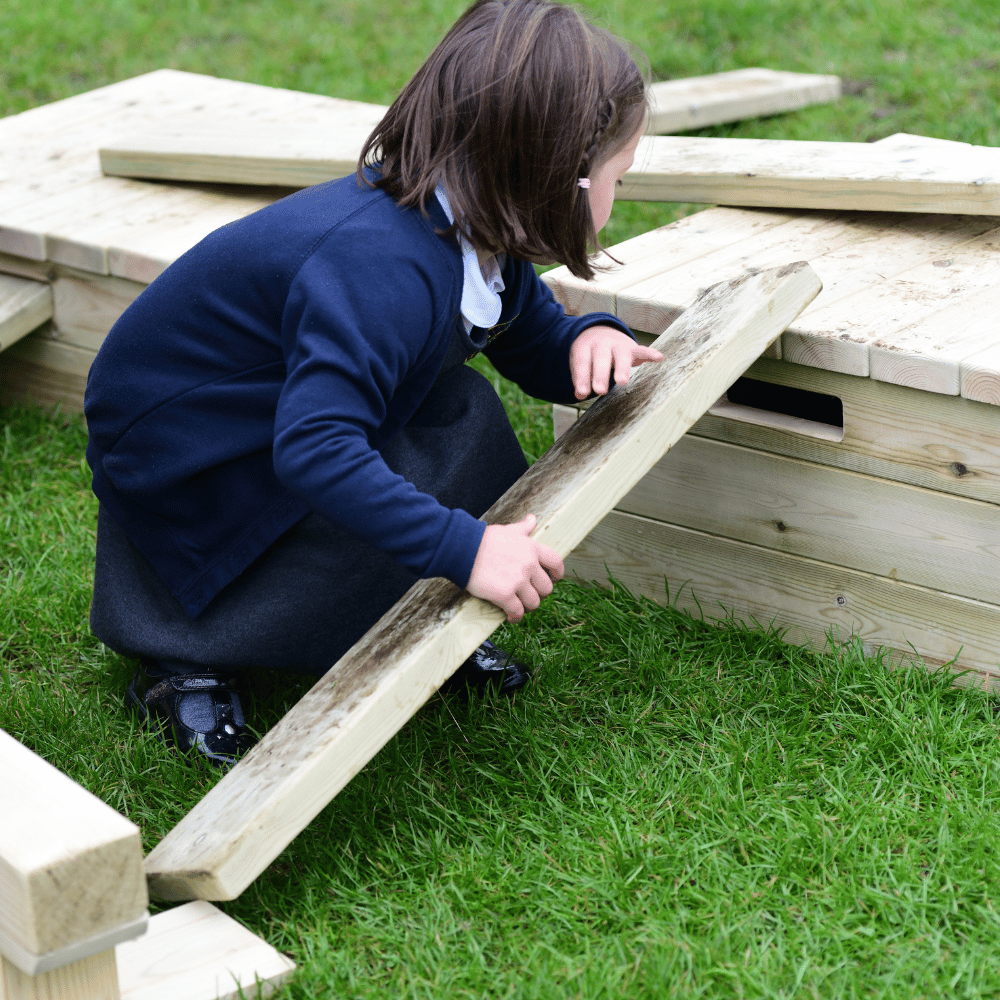
- Things to clamber and climb over, under and through
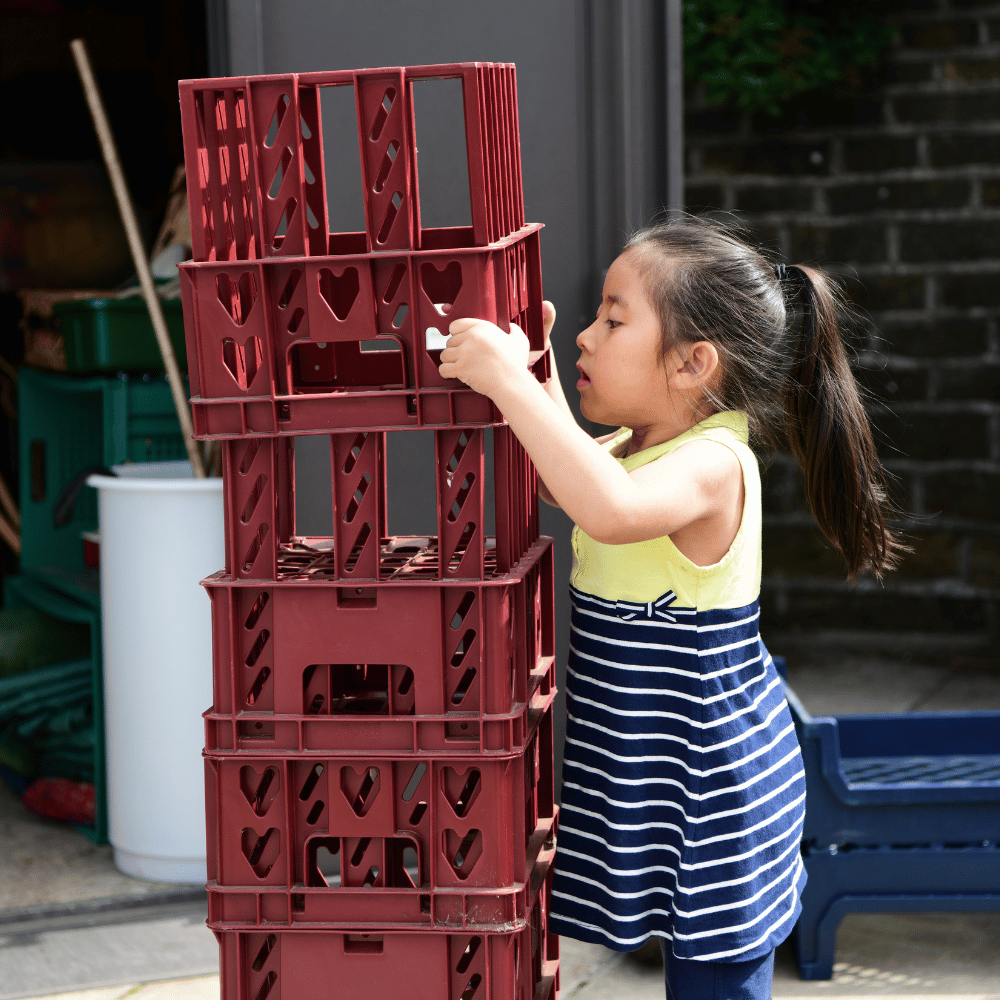
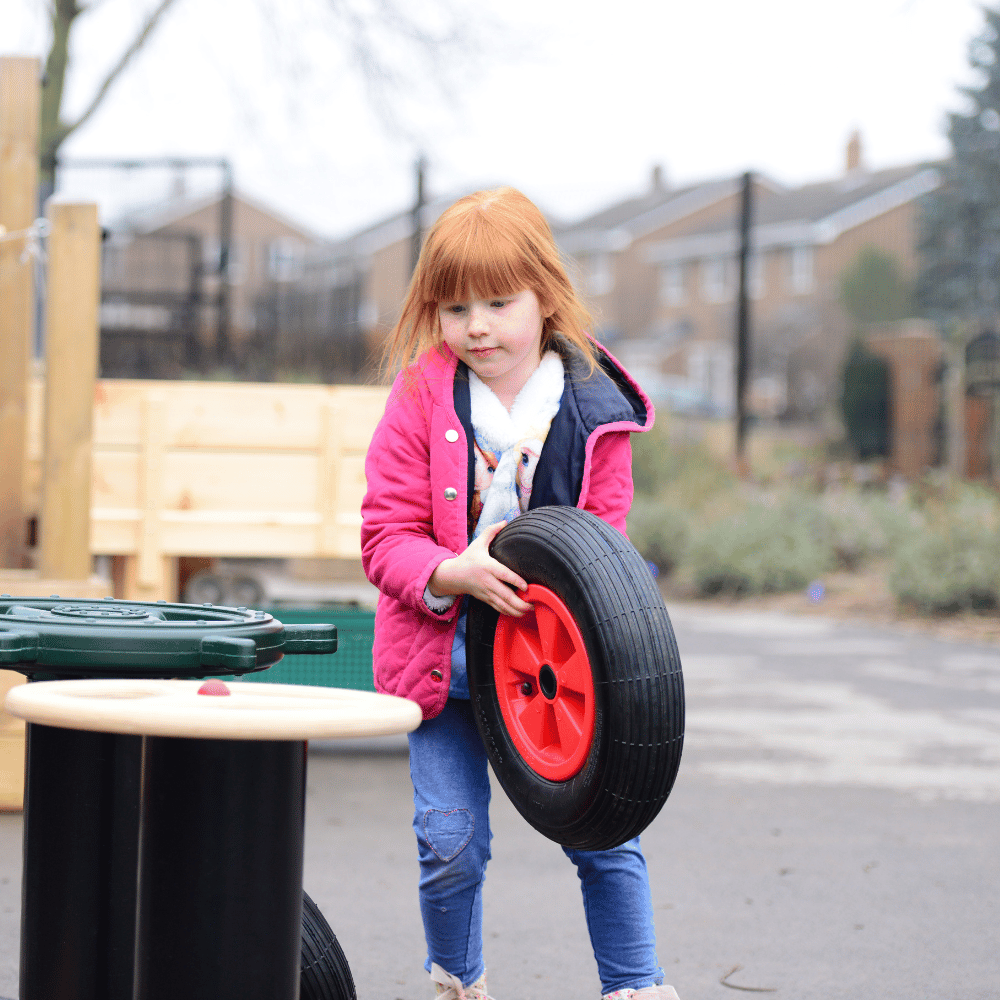
- Lots of things to lift and move around, like an outdoor construction area: some need to be heavy
- A wide variety of wheeled vehicles, including carts and wheelbarrows
- Lots of flexibility and possibility for moving and modifying
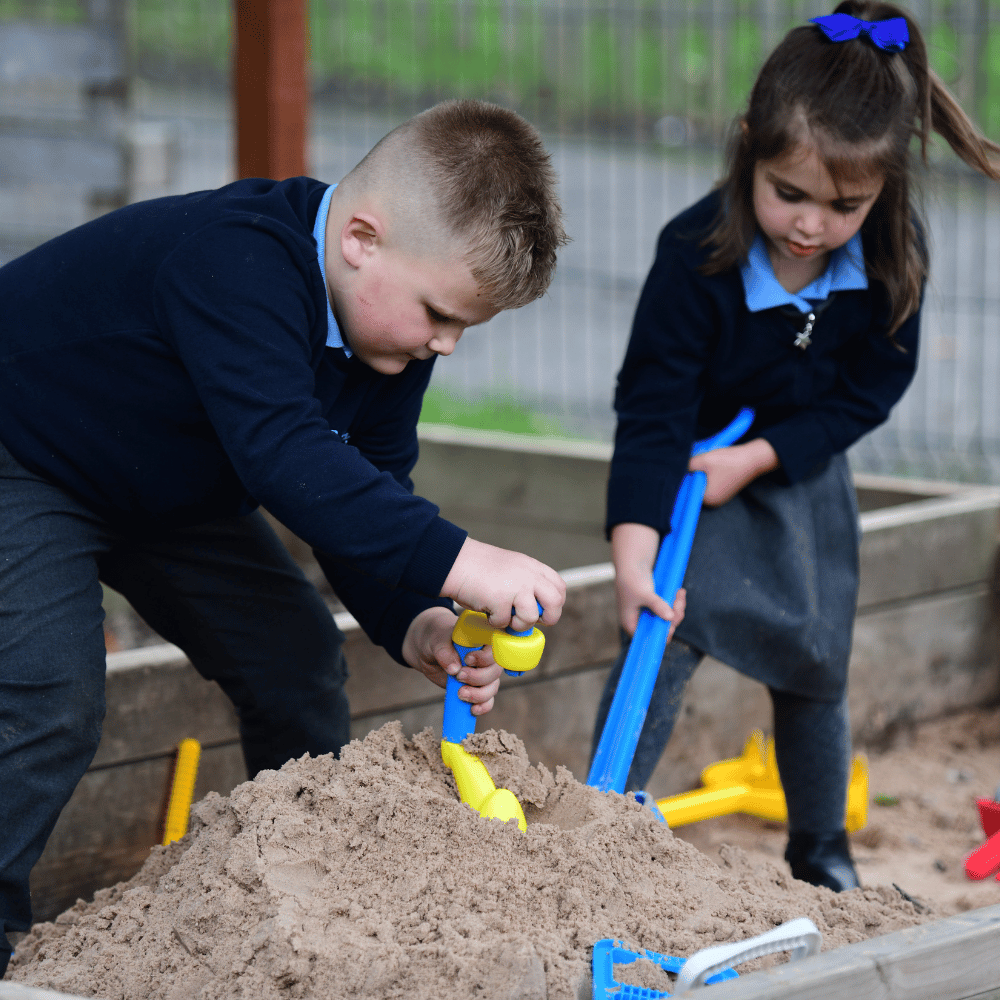
- Multi-sensory resources that stimulate across the senses and support sensory integration
Conclusion
Children need to move and, given the right climate and conditions, will often show us what they need to do, whether that is to run, jump, twist or turn. The best place to enable this is outdoors. So, it is vitally important that we allow children extended periods of time to be outside where they can do things on a larger scale, they can challenge themselves to go faster or further and be louder, the pleasure in movement for many children can often be heard before it is seen. Many children need high energy, action-oriented play – all children need and benefit from vigorous exercise for long periods every day.
Allow children to lose themselves in the joy of movement, giddy with excitement, there are thrills to be had as children challenge themselves and their bodies and engage in managed risk taking. This can be hugely motivating for many children, feeling that ‘I can’ is empowering with its hugely positive knock-on effects to children’s sense of self and self-esteem.
Some Key Messages from Jan White
Jan White is a leading thinker and writer on outdoor play and advocate for high-quality outdoor provision and writer of Playing and Learning Outdoors. To conclude, here are some key messages on Gross Motor Skills from Jan White:
- Recognise the importance of a movement rich environment with plenty of variety
- Ensure physical development is well understood and children are highly active in practice
- Ensure movement and physicality are pervasive and embedded, and staff enjoy being active
- Understand that provision is vitally important
- Being outdoors is superb for physical development especially gross motor skills
Learn More
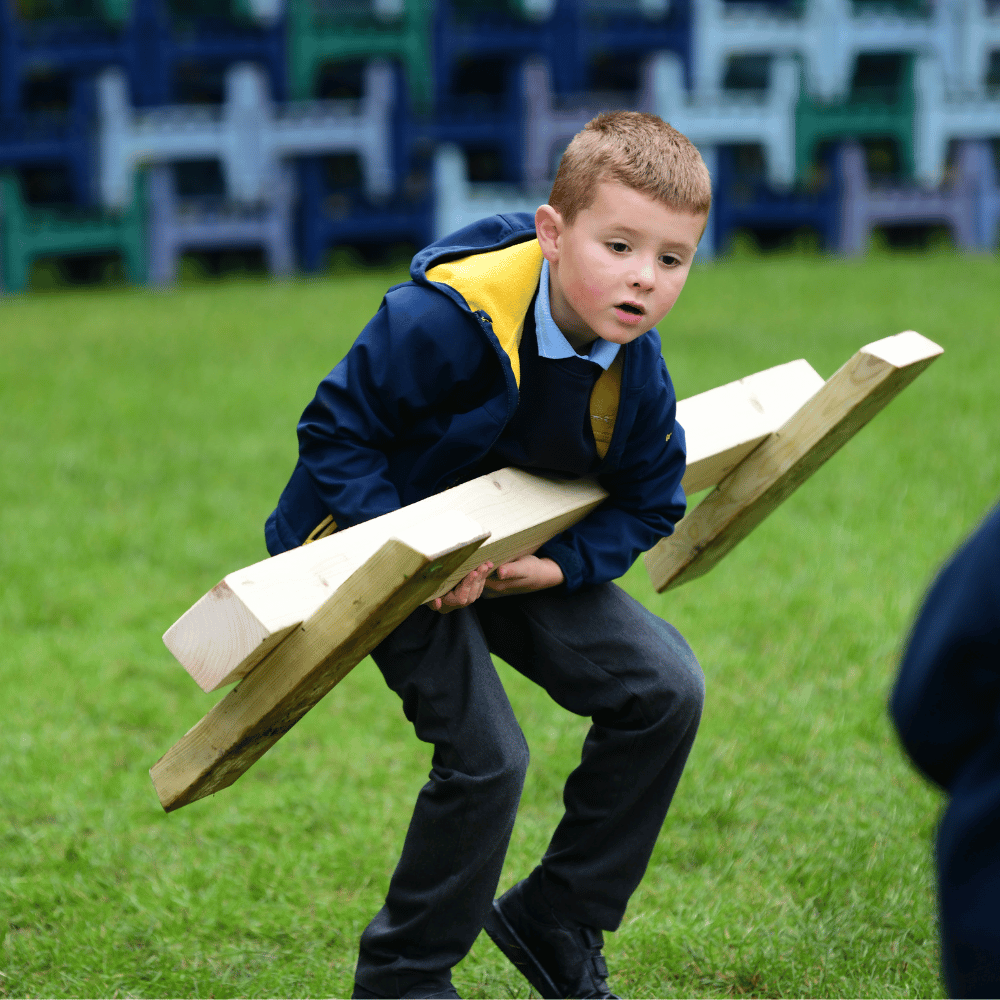
Download our Outdoor Audit Tool to reflect on how best to develop your environment, including areas to consider and resources required.
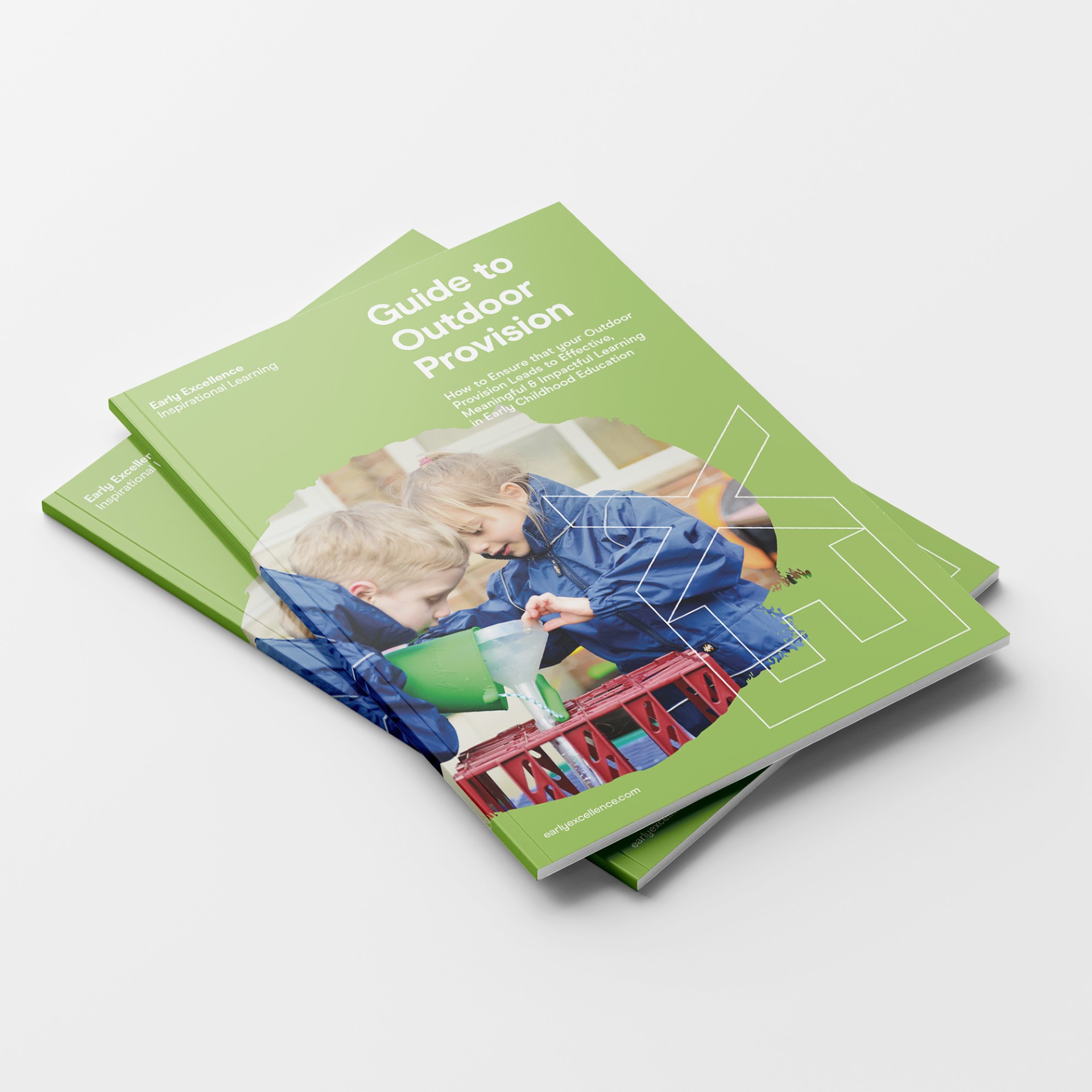
Discover our Guide to Outdoor Provision which explores all aspects of quality practice from underpinning principles, planning and resourcing, through to the role of the adult.
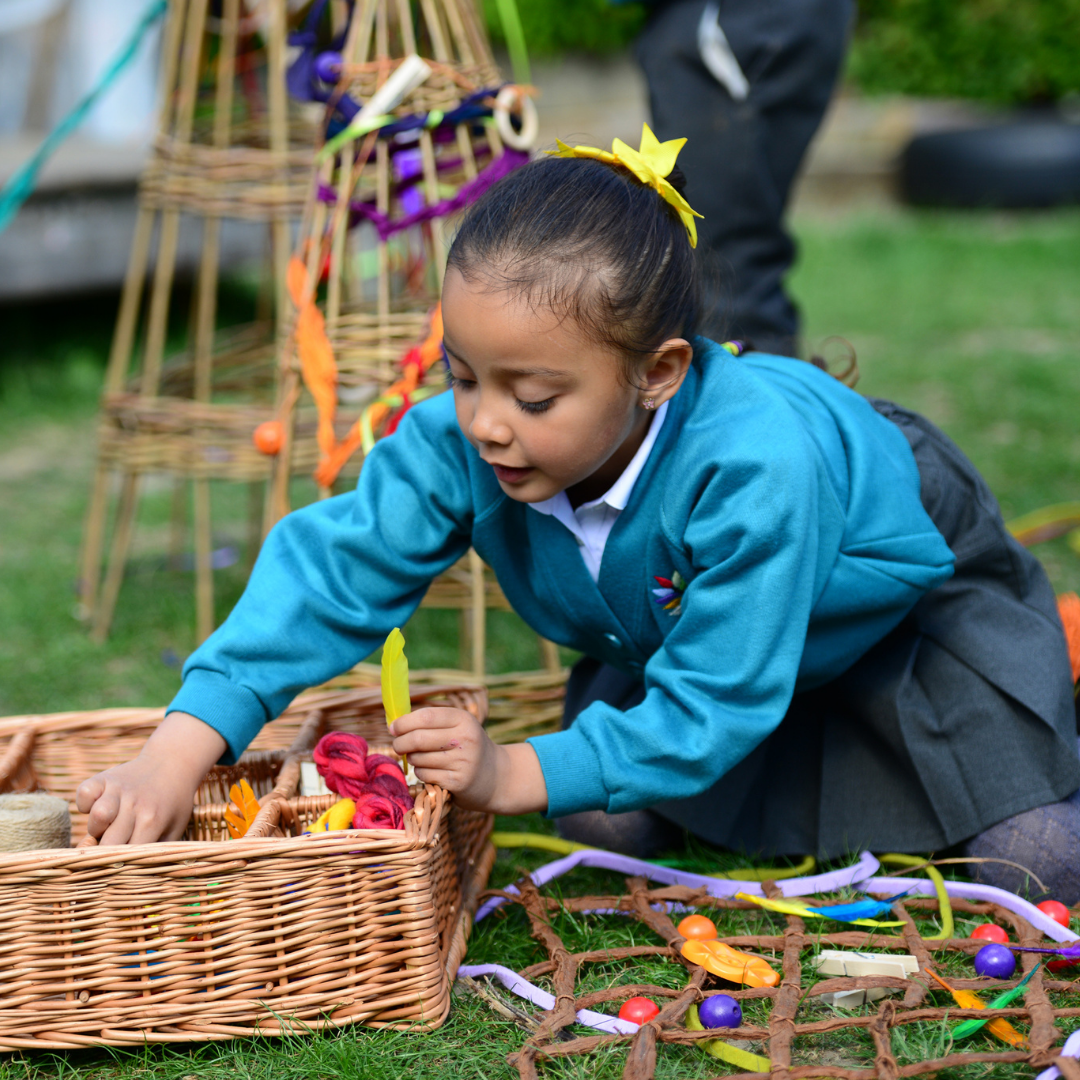
Explore our full range of outdoor solutions and exclusive outdoor resource collections to support you to create outstanding outdoor provision.